Preventative Care
Dental Check-Ups in Canberra City
A periodic examination is the appointment most people mean when they say they are going to the dentist: a look at your teeth and gums, a scale and clean, and a conversation about anything that needs attention. We have been doing them from our Hobart Place surgery since 1965, and they make up a large share of our week.
New patients are welcome, and so are people who have not sat in a dental chair for a long time. This page sets out what actually happens in the appointment, when X-rays are needed and when they are not, how we work out how often you should come in, and how the cost and health fund side works.
What the examination covers
An examination is not just a look at your teeth. A check-up at our Canberra City practice usually works through:
- Your history. What dental work you have had, any medications you take, allergies, and whether anything has been bothering you. Medications matter more than most people expect, because a number of common ones reduce saliva, and less saliva means a higher risk of decay.
- Your teeth and existing dental work. Decay, wear, cracks, and the condition of fillings, crowns, bridges and dentures already in place. Older restorations are checked at the margins, where new decay tends to start.
- Your gums. We check for bleeding, inflammation and the depth of the space between gum and tooth, which is how gum disease is measured rather than guessed at.
- The soft tissues. Lips, tongue, floor and roof of the mouth, cheeks and throat, looking for anything that has changed.
- Your bite and jaw joint. How your teeth meet, and signs of grinding or clenching such as flattened surfaces, chipped edges or tenderness in the jaw muscles.
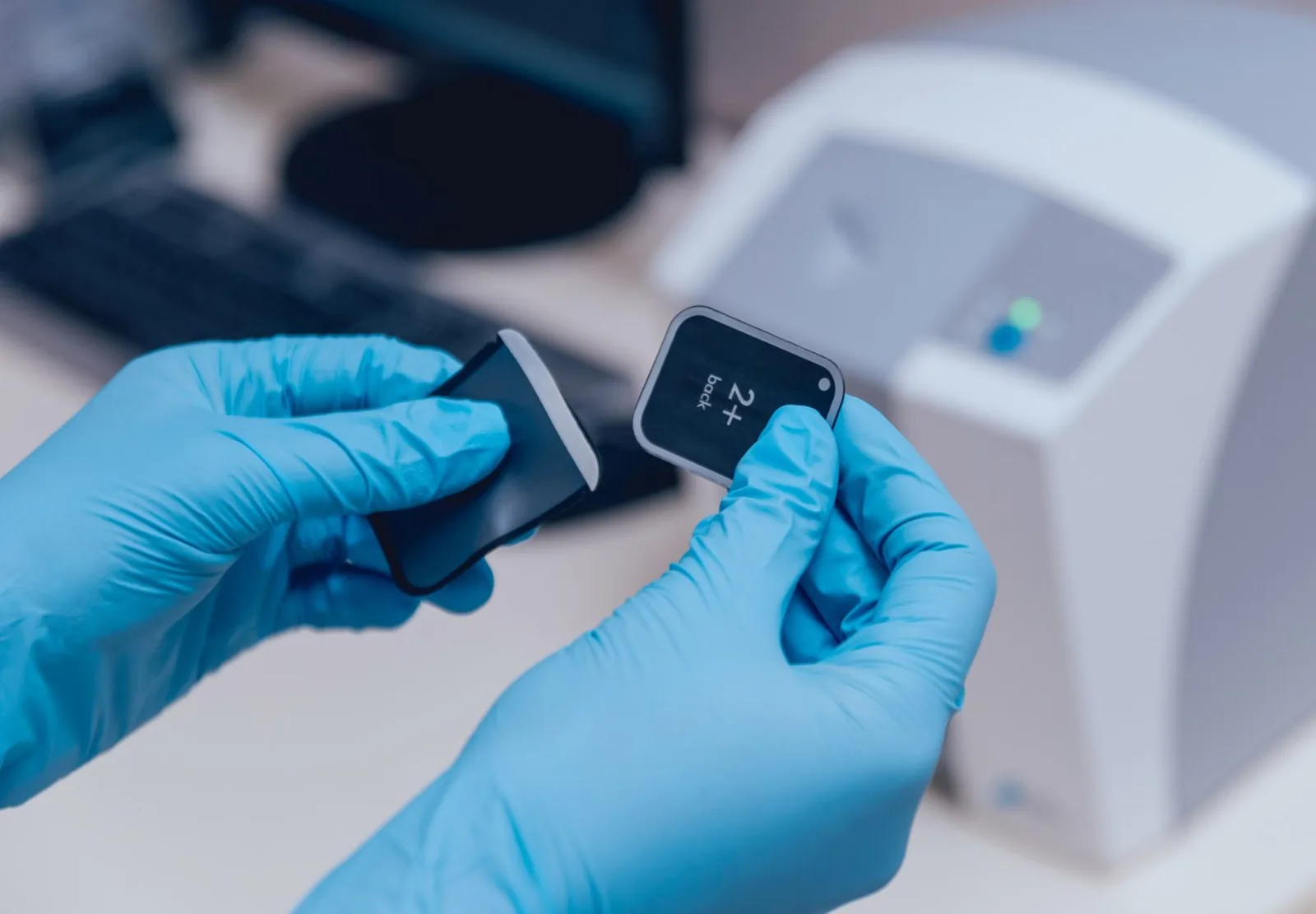
- X-rays, where they are needed to see what an examination on its own cannot show.
- A scale and clean. Removing plaque and the hardened calculus that brushing cannot shift, then a polish.
Then we tell you what we found. That includes the things we are watching rather than treating, because knowing a tooth is being monitored is useful information. If we do recommend treatment, you get the options, what each involves and a written estimate before anything is booked.
healthdirect describes a check-up in similar terms — examination of teeth, gums, lips, tongue, mouth and saliva, cleaning, X-rays where indicated, and advice on brushing, flossing and diet.
The part of the check-up people do not notice
The soft tissue examination takes under a minute and is easy to miss while it is happening, but it is one of the reasons regular visits matter.
Mouth cancer usually begins on the lips, tongue or floor of the mouth, and healthdirect lists the warning signs as red or white patches inside the mouth, a lump in the mouth or neck, an ulcer or sore that does not heal, pain when chewing or swallowing, changes to speech, or bleeding or numbness in the mouth. Those symptoms have plenty of causes that are not cancer. The point is that someone should look, and healthdirect notes that regular dental check-ups can help pick it up early, when treatment has a better chance of working. It also recommends seeing a dentist at least once a year for that reason, including people who wear dentures and have no natural teeth left.
We are not the people who diagnose it. If we see something that does not look right, we tell you plainly and refer you on for a proper opinion.
X-rays: when they help, and when we skip them
X-rays show what an examination cannot: decay starting between teeth where the surfaces touch, changes in the bone supporting the teeth, infection at the root tip, and teeth that have not come through properly.
The three types used most often are bitewings, which show the crowns of the back teeth where decay commonly begins; periapicals, which show one or two teeth including the root and surrounding bone; and panoramic images, which show both jaws in a single view. ARPANSA, the national radiation protection authority, describes the exposure from dental imaging as typically very low level with minimal risk of negative health effects, and its patient factsheet with the Australian Dental Association compares a dental X-ray with everyday exposures such as a flight from Darwin to Perth.
Low risk is not the same as no reason needed. We take X-rays when there is a clinical question they can answer, not automatically at every visit, and how often you need them depends on your own risk of decay and gum disease. If you have had recent X-rays taken somewhere else, tell us and we will ask for them rather than repeat them.
How often you should come in
The six-month check-up is the interval most Australians have heard all their lives, and healthdirect recommends every 6 to 12 months, with a practitioner advising what suits the individual.
It is worth knowing what the research actually shows. A Cochrane review of recall intervals pooled two trials covering 1,736 people, including a four-year study across 51 general dental practices that compared six-monthly check-ups against risk-based intervals set by the dentist. Over those four years it found little to no difference between the two approaches in the number of tooth surfaces with decay, in gum bleeding, or in oral-health quality of life, with high certainty for those findings.
Read carefully, that is not an argument for going less often. It is an argument for the interval being set by someone who has looked in your mouth, rather than by a default. For some people that is six months, for others it is longer, and for people with active gum disease or a history of decay it is shorter. Your risk also changes over time, so the interval should change with it.
Age is part of that picture. AIHW figures for 2017–18 show moderate or severe periodontitis in 12% of adults aged 15–34, rising to 33% at 35–54, 51% at 55–74 and 69% at 75 and over. Across dentate adults, an average of 4.4 teeth had already been lost to decay and gum disease.
What it costs and how to claim
We will tell you what an appointment will cost before you book it, and you will get a written estimate with item numbers before any treatment beyond the examination and clean. Call us on (02) 6247 9230 and we can talk through the likely cost and what your cover is worth.
- On-the-spot health fund claiming through HICAPS, so you pay only the gap
- NIB preferred provider and HIF Choice Network member
- Child Dental Benefits Schedule bulk billed for eligible children
- Visa, Mastercard, EFTPOS, Humm and Afterpay
Cost genuinely does keep people away. AIHW reports that around 1 in 3 Australians who needed dental care delayed or did not go at least once in the previous 12 months, and about 1 in 6 gave cost as a reason. The same data counted close to 87,400 hospitalisations in 2022–23 for dental conditions that earlier treatment could potentially have prevented. If money is the obstacle, say so when you call — it is a more useful conversation than not coming.
More detail is on our payments and health funds page.
Children and the Child Dental Benefits Schedule
Bring your children with you to your own appointment if it helps them get used to the place before they need anything done. healthdirect suggests check-ups start from 12 months of age or when the first teeth appear.
Eligible children aged 2 to 17 can be bulk billed under the Child Dental Benefits Schedule, which covers check-ups, X-rays, cleaning, fissure sealing, fillings, root canals and extractions. Services Australia sets the cap at up to $1,158 per eligible child across two consecutive calendar years, indexed each January. It does not cover orthodontics, cosmetic work or dental treatment in hospital. Check your child’s eligibility first and bring your Medicare card.
If it has been a long time
A fair number of our new patients start the conversation by apologising for how long it has been. There is no need. We are interested in where things are now and what order to deal with them in, not in how you got here.
If you are anxious about dental treatment, tell whoever answers the phone when you book. It changes how the appointment is run — more time, more explanation, and stopping when you ask. For a first visit after a long gap we would usually examine, take the X-rays we need, clean what can be cleaned comfortably, and then plan the rest with you rather than pressing on.
What is worth knowing
An examination reports what is detectable on the day. Early decay and early gum disease can be present without being visible or causing symptoms, and X-rays are a snapshot rather than a guarantee — a small lesion can be missed and show up at a later visit. Removing calculus sometimes uncovers decay or a cracked filling underneath it, so a check-up occasionally finds more work than expected rather than less.
A clean can leave gums tender for a day or two and may cause some bleeding at the time, particularly where there is existing inflammation. Where gum disease has already caused recession, teeth can feel more sensitive afterwards, or look slightly longer as swollen gum tissue settles down. Bone and gum already lost to periodontal disease does not grow back; treatment aims to stop further loss rather than reverse what has happened.
Regular check-ups reduce risk. They do not eliminate it, and no examination interval can promise you will not need treatment.
Come in sooner if you notice
Do not wait for your next scheduled visit if you have tooth pain or sensitivity, bleeding or swollen gums, a chipped or broken tooth, a lost filling, a bad taste or persistent bad breath, a tooth that feels loose, or an ulcer or patch in your mouth that has not healed in two weeks. If you are in pain now, our emergency dental page explains how to be seen quickly.
To book a check-up and clean, call us on (02) 6247 9230 or book online. We are on the 10th floor at 1 Hobart Place, a short walk from most of the Civic office towers, and we are open Monday to Thursday.